Subcreation and Stained Glass Windows
Thoughts on Art, transcendence, and being itself
The Abstracted Questions and Revelations of Koon Studies
Why is it that Jesus speaks in parables and not in didactic theology? Why does Plato use an allegory of truth before he divulges that truth itself ? How is it that a patriotic man is more moved by the rebels of Star Wars than the history of their own real rebellious ancestors? Why have humans wasted time telling stories around campfires since the evolution of language? Why do we find paintings in caves these ancestors lived in that they would doubtless never see again as they moved on? Why have societies spent vast portions of their wealth and resources on painting and music and decoration? How is it that man can be moved by an unseen abstract idea? What is common between a work of Michelangelo, of Mozart and of Shakespeare? What is beauty? What is art? What does it all mean?
At the center of these questions lies a deeper one: What is it about human nature that is touched so strongly by truth, beauty, and being itself, yet so often only indirectly? Man knows there must be an absolute reality; he knows there must be some rock upon which reality must rest. He knows this must be true, for that foundation rock is truth itself.
And while he can sense it around or inside him, yet it is beyond him and above him never to be encountered nakedly but through some other medium
This truth is beyond complete perception or transmission by even the greatest of mankind, for it exists more than any man can. This being not only has more existence, more being than mankind, it is being itself. The extent to which man is and knows and does is through and by this greater thing.
And so, while wandering in darkness and despair, man is approached by this being cloaked in the garments of images and symbol, masked by the brilliance of its beauty which is both overwhelming and foreign to man.
This greater has always surrounded man: a fiery sunset, a roaring sea, a flowering tree dancing on the wind. And so man tries to respond; the greatest of our music, of our buildings, and of our stories. Man creates such gems with which to crown himself and yet he knows the thing he has made is not like him but above him; it is not for him nor was it truly made by him. No this good which man does is done through the greater thing, and so the poets, the priests, the composers and the painters strain to become conduits themselves, windows to some greater truer reality, to create a momentary reflection of the something beyond them.
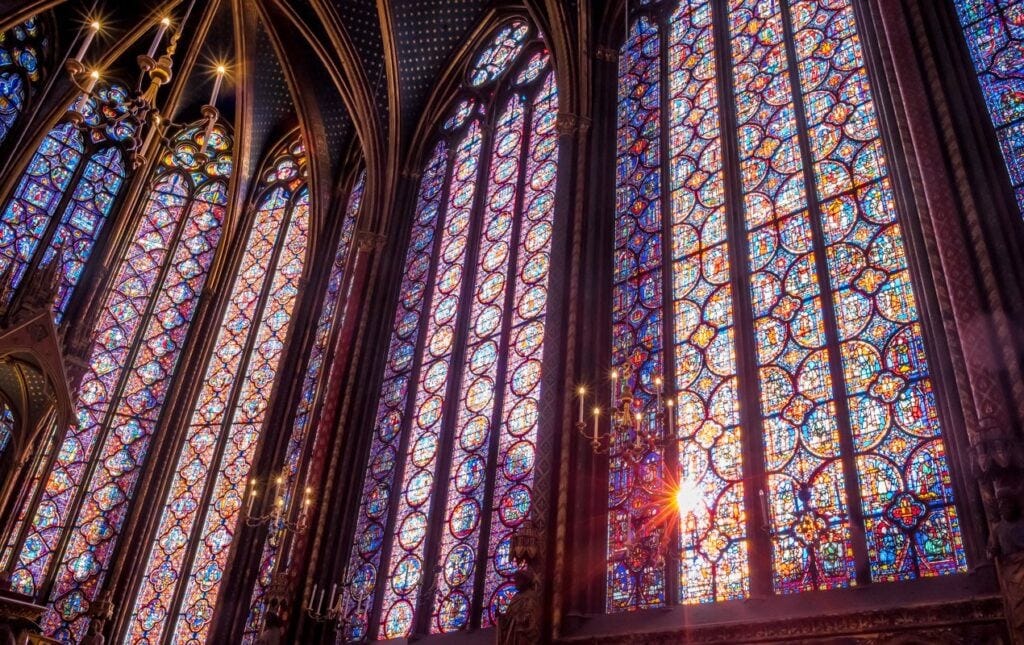
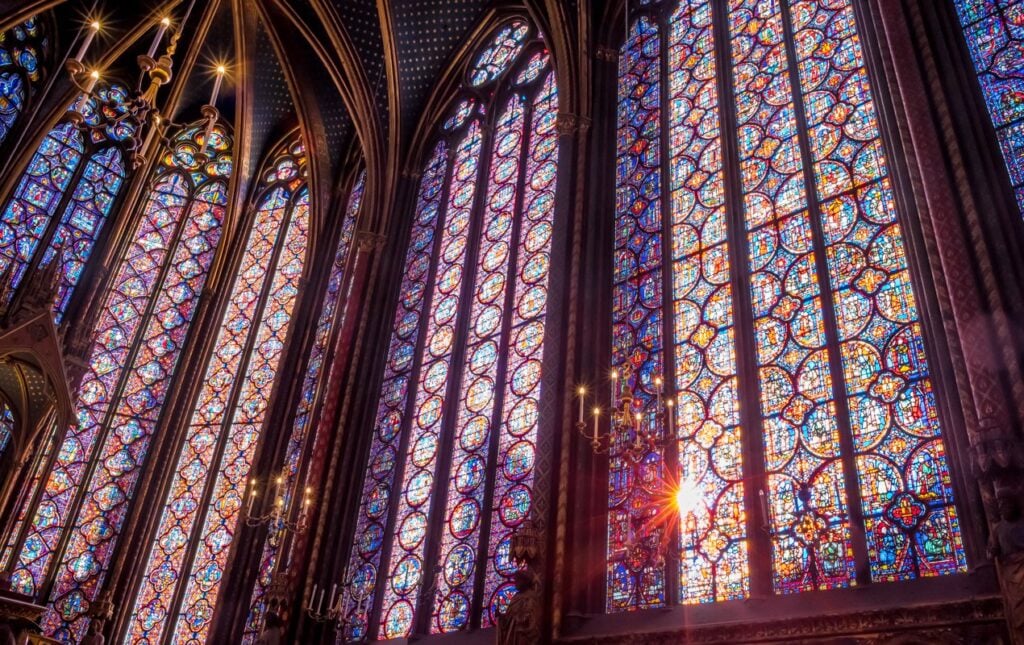
Just as the chief physical end of man may be carnal reproduction, the chief spiritual end of man is subcreation. In Christian marriage man and woman yield their individual selves to become one in order to, with God, co-create a new person. So too, in subcreation, man must also discard his self so that the true reality may be reflected through him into existence. The art then, the subcreation, becomes a lens through which man may see this true light refracted. Just as the child bears the marks of the parents while receiving the life that transcends them, so too this art, this window, will be stained and crafted by its subcreator and so will it color the true light which passes through it. This “colored” light is not the full spectrum of light, and these windows are not clear for seeing, but they are beautiful, and they really are windows.
Get email updates for new blog posts by following me on Substack.